



The City has let Main Street stall.The rules are outdated.The plan is broken.
Main Street has long been the commercial and cultural spine of Asbury Park’s neighborhoods — a corridor of local businesses serving the everyday needs of residents. Grocers, barbershops, convenience stores, and community services that have sustained the city through waves of change. Recognizing the need for a clear vision, the City adopted the Main Street Redevelopment Plan in the early 2000s. The stated goals of this plan is to encourage modest-scale, mixed-use development that is confident with Main Streets across the country: apartments over retail, walkable streetscapes, and housing for a range of incomes and household sizes.
While the purpose of the plan is sound, the rules have not kept up with current market conditions or the evolving needs of Asbury Park’s year-round population. The result is a corridor that remains underbuilt and out of sync with its own potential. Meanwhile, the City Council has approved high density projects directly adjacent to Main Street – quietly acknowledging that the Main Street Redevelopment Plan simply isn’t working.
The City’s Quiet Admission: Main Street Zoning Isn’t Working
The clearest sign that the plan is broken? Development is happening nearly everywhere except Main Street.
While vacant and underutilized parcels up and down the corridor sit unchanged, the City Council has been approving large, high-density projects just off the corridor by creating new, single-site redevelopment plans that override existing zoning. Projects like 1201 Memorial Drive, 1101 First Avenue, and the Holy Spirit Church site all exceed the base zoning by two to three times — because (according to the City Council) that’s what it takes to get a project built in today’s market.
These approvals aren’t accidental. They’re a quiet admission that the Main Street Redevelopment Plan is too restrictive to support meaningful reinvestment. But rather than fix the plan, the City keeps working around it. And by doing so, it pushes oversized developments into neighborhoods that were meant to act as transition zones — the areas between a commercial corridor and lower-density residential blocks. If Main Street were functioning as intended, those surrounding neighborhoods wouldn’t be absorbing the brunt of the pressure.
City Hall and the Train Station: A Missed Opportunity in Plain Sight
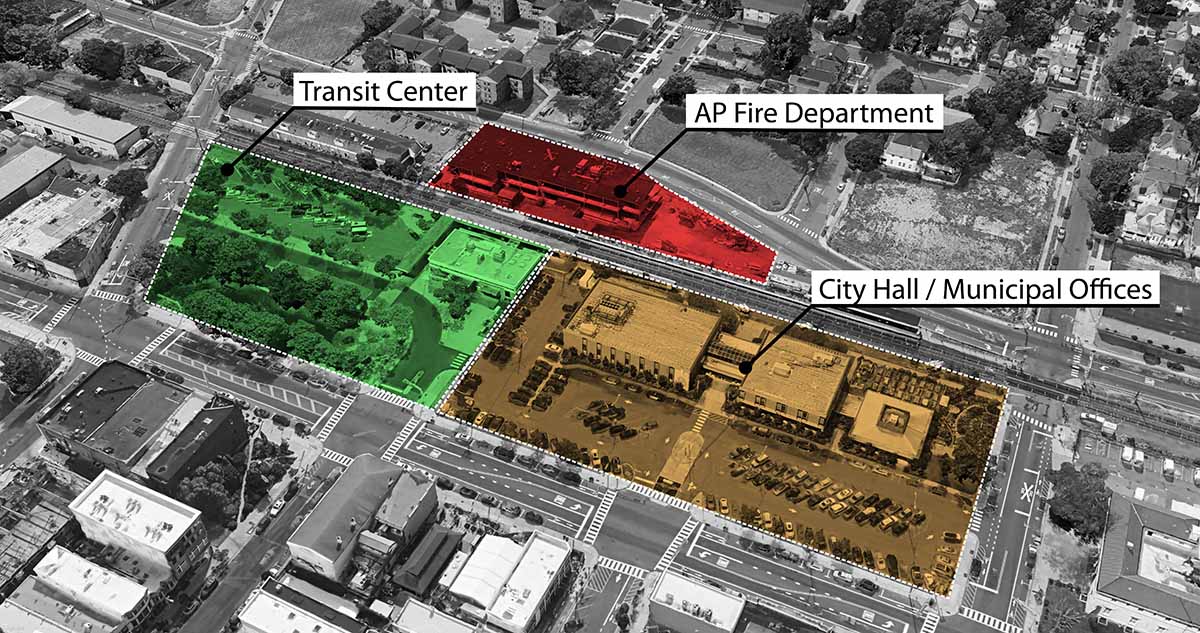
The most glaring example of the City’s failure to lead with vision is the City Hall site — a large, city-owned parcel that includes the train station and the soon-to-be-completed firehouse. From a planning standpoint, it checks every box for thoughtful, higher-density development: it’s on public land, next to transit, and symbolically tied to the city’s civic center.
Asbury Park is even a designated Transit Village, a New Jersey program that opens the door to funding and planning support for exactly this kind of site. And yet, after multiple failed attempts to attract a developer – largely because the zoning doesn’t permit enough density to make a project feasible – the City Council has utilized major portions of our largest public real estate asset for a firehouse and is actively considering a parking deck. No housing. No public space. No vision.
Sign up for Your Riprap Update: City Council & BOE meeting recaps plus all the latest news from AP. Get it sent to your inbox.
To be clear, the firehouse is necessary and welcome. But it could have been more. While serving on the Planning Board, I suggested that the new firehouse should be designed to accommodate additional floors – for municipal offices or possibly even affordable housing. Not to build them now, but to preserve the option for the future. Council members on the Planning Board shut the idea down without discussion, citing concerns over shadows, building height and “out of scale’ development. The firehouse is two stories tall, while the City Council is routinely approving projects at much higher density far from downtown and transit. That decision squandered the full potential of the fire house site – forever.
Meanwhile, just a few stops north, Red Bank is advancing a plan for hundreds of housing units, public amenities, and community infrastructure at its own train station. Asbury Park, by contrast, is offering up parking.
ADVERTISEMENT

Suburban Form, Wasted Sites
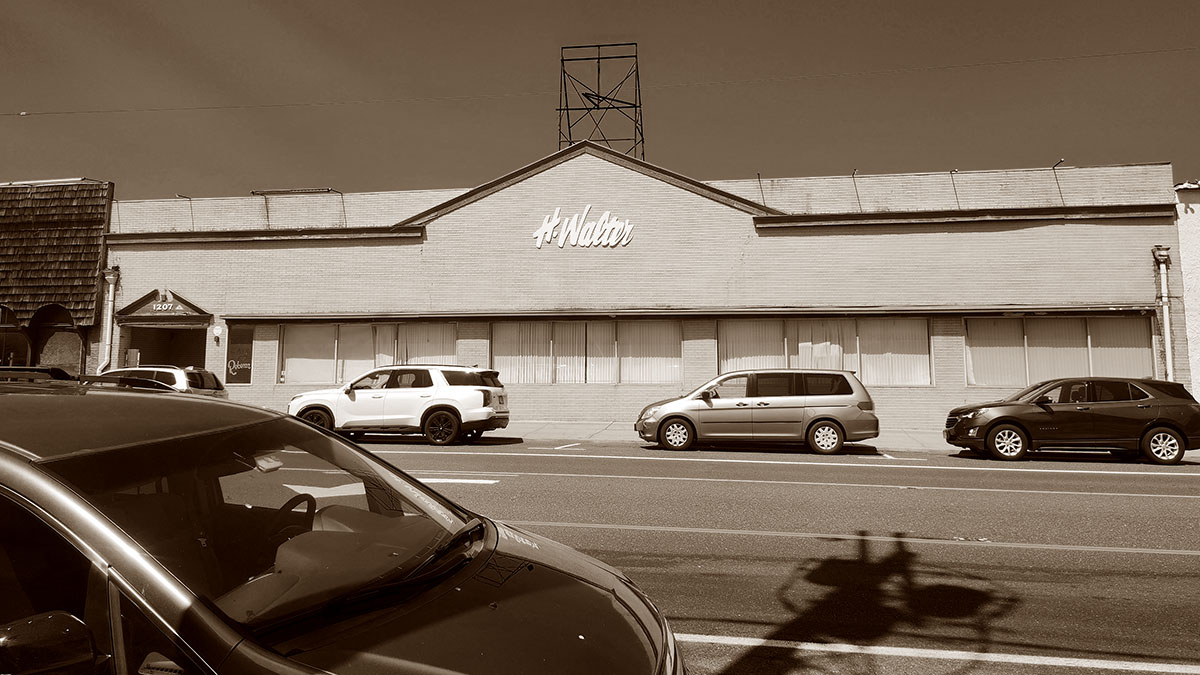
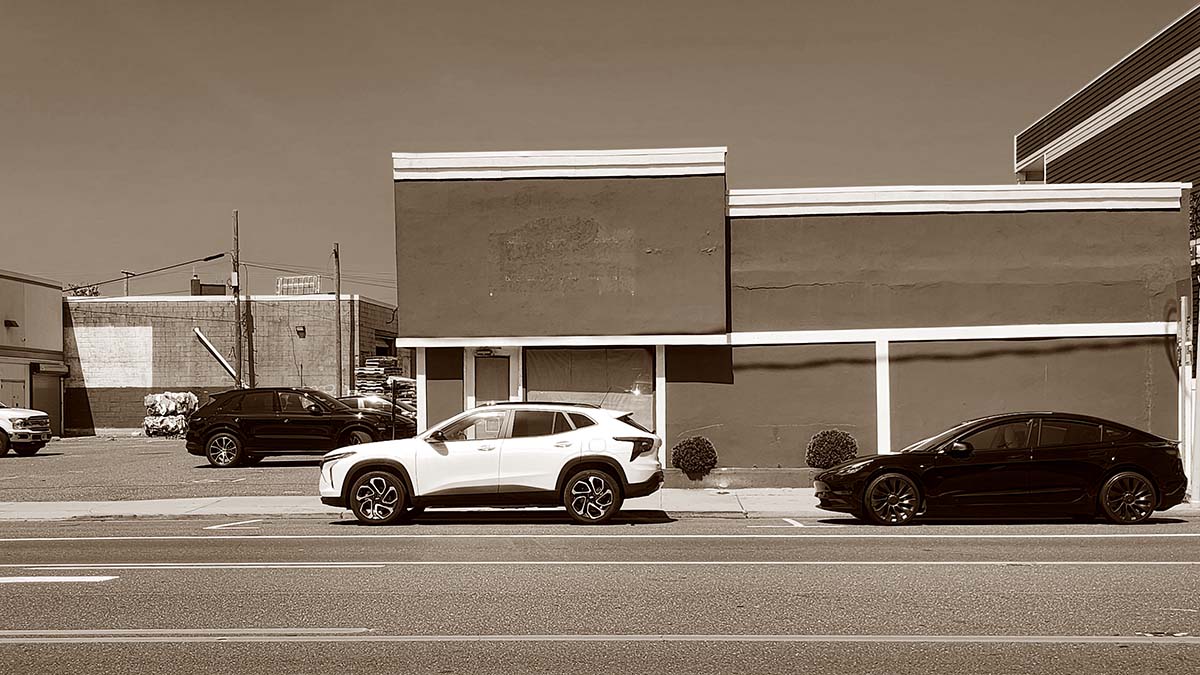
Furthermore, some of Main Street’s largest and most visible parcels are already developed – but not in ways that contribute to walkability, housing, or local economic growth. Many are single-story, suburban-style buildings with surface parking, set back from the street. They aren’t necessarily recent projects, but they reflect an outdated planning approach that prioritized parking lots over people.
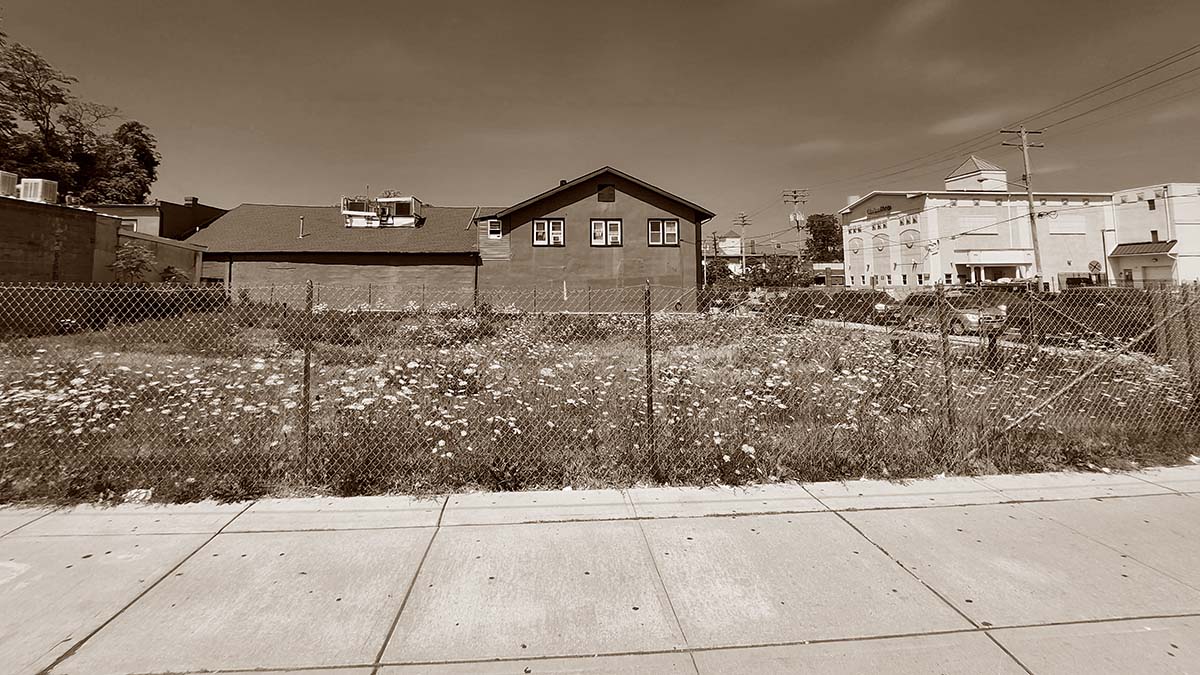
These sites should be among the most promising redevelopment opportunities in the city. But under current zoning, the density allowed is too low to encourage reinvestment. And that’s the issue: no one is suggesting high-rises all along Main Street – but the corridor needs enough potential density to make modest, community-serving redevelopment possible. As the corridor moves north, it should naturally transition in scale – but that transition also needs to be viable.
Importantly, Main Street is already active. The corridor includes a mix of music venues, open space, bars, breweries, legacy businesses, and newer restaurants – many of which are thriving not because of city policy, but in spite of it. It’s a place that still serves year-round residents and working families – not just visitors or weekenders. But its value is often overlooked by more affluent residents who don’t see it as “for them.”
With modest increases in density – and incentives for affordable housing – many of these sites could support walkable, mixed-use development that complements the corridor’s existing role without displacing it. And because Main Street is a corridor, not a cluster, this growth could be distributed along its length – allowing for context-sensitive transitions. That’s the opposite of what the City is doing now: concentrating hundreds of units into isolated, oversized projects that overwhelm the blocks around them.
Zoning to Support Local Business
Main Street is full of businesses that serve everyday needs: small markets, barbershops, pharmacies, and counter service restaurants. Many have been in place for decades. Others are newer – opened by people who live nearby, reflect the community, or saw opportunity in a changing city.
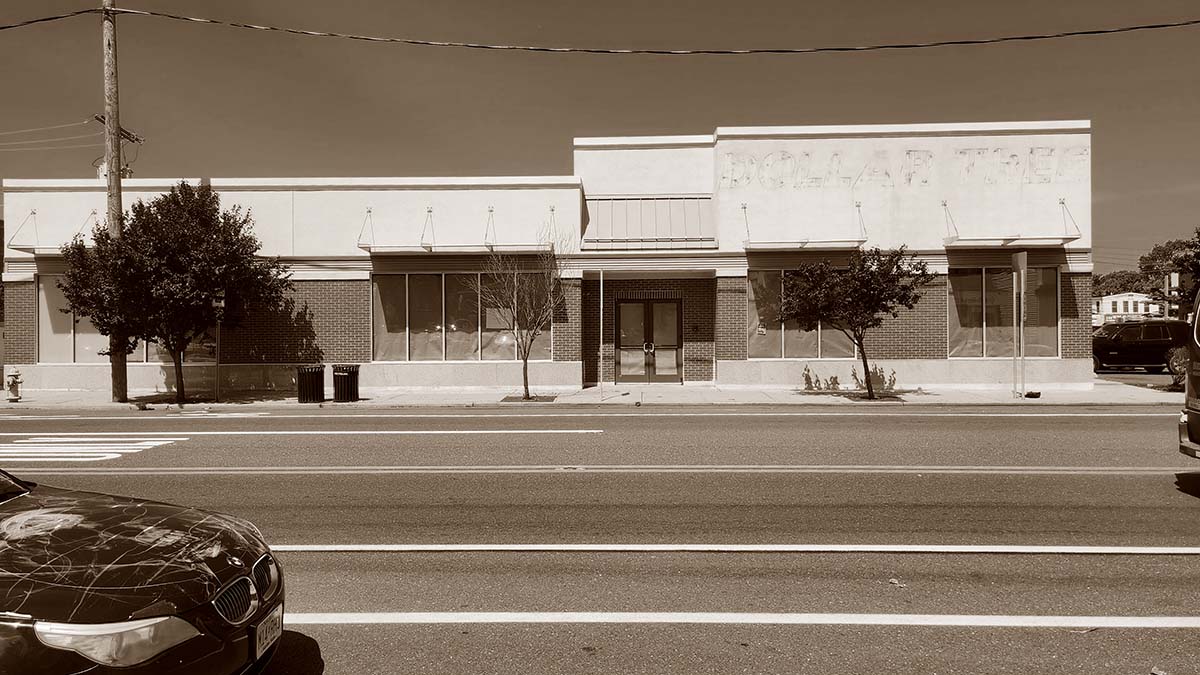
But without more people living on or near the corridor, these businesses will struggle. The city’s restrictive zoning starves the corridor of its own customer base. The recent closure of Dollar Tree – makes that reality impossible to ignore. That closure isn’t just about changing shopping habits; it’s about the disappearance of working families, and the lack of policies to support the businesses that serve them.
If we say we care about these businesses – and the communities that rely on them – we have to support the conditions that make them viable. That means zoning that allows moderate housing growth, incentivizes affordability, and sustains the kind of mixed-use corridor Asbury Park says it wants.
The Question We Should Be Asking
So why is the City creating new redevelopment zones right next to Main Street, when Main Street itself still has so much untapped potential?
If the corridor were functioning — if the plan worked — we wouldn’t be pushing oversized projects into adjacent neighborhoods. We wouldn’t be trying to backfill opportunity into isolated sites with no transitions, no civic infrastructure, and no walkability. We would be investing in the corridor that already has the bones: transit, community identity, small businesses, and a mix of spaces ready to evolve.
Instead, the City has let Main Street stall. The rules are outdated. The plan is broken. And the people the corridor was meant to serve — working families, small businesses, longtime residents — are the ones losing out.
The potential is there. But the window won’t stay open forever.
Related Posts

The Blandification of Asbury Park
When a building can exist anywhere, it might as well be nowhere at all.

Planning 104: The Difference Between Transparency & Engagement
Our “progressive” City Council speaks loudly about transparency and public…

Downzoning Asbury Park: The Math Isn’t Mathing
From rezoning to redevelopment - the results are rising taxes, shrinking…